
What is Alcohol Septal Ablation for HOCM?
Alcohol Septal Ablation is a specialized, catheter-based procedure used to treat patients diagnosed with Hypertrophic Obstructive Cardiomyopathy (HOCM). This heart condition is characterized by an abnormal thickening of the heart muscle, particularly the interventricular septum—the wall that separates the left and right sides of the heart. When the septum becomes excessively thick, it can obstruct the flow of blood from the left ventricle to the aorta, causing symptoms such as chest discomfort, breathlessness, fatigue, and episodes of fainting.
Under the expertise of Dr. Tangella Venkateswara Rao, recognized as the best cardiologist in Kakinada and a highly experienced interventional cardiologist in Kakinada, Alcohol Septal Ablation is offered as an effective non-surgical option for suitable patients who continue to experience symptoms despite optimal medical therapy.
Understanding Hypertrophic Obstructive Cardiomyopathy (HOCM)
HOCM is a genetic or inherited cardiac condition that causes abnormal thickening of the heart muscle. In many individuals, the thickened septum partially blocks the blood flow leaving the heart. This obstruction forces the heart to work harder to pump blood to the rest of the body. Over time, patients may notice reduced exercise tolerance, palpitations, dizziness, or shortness of breath during routine activities.
Although medications are often prescribed to reduce symptoms and improve heart function, some individuals may continue to experience persistent obstruction. In such cases, interventional procedures such as Alcohol Septal Ablation are considered to improve blood flow and reduce the obstruction.
What is Alcohol Septal Ablation?
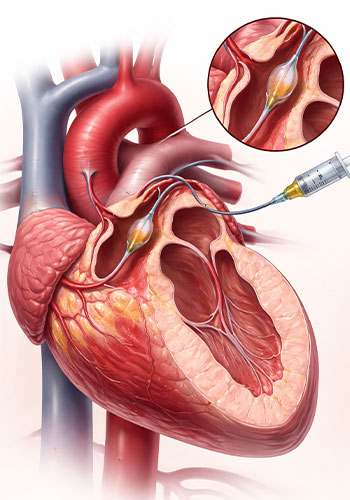
Alcohol Septal Ablation is a minimally invasive cardiac procedure designed to reduce the thickness of the enlarged septal muscle. The treatment works by intentionally delivering a controlled amount of medical-grade alcohol into a small branch of the coronary artery that supplies blood to the thickened area of the septum. This targeted approach causes a small, controlled reduction of tissue thickness, which gradually widens the pathway for blood to flow out of the heart.
The procedure is typically performed in a cardiac catheterization laboratory by an experienced interventional cardiologist in Kakinada. Because it is catheter-based, it does not require open-heart surgery, making it a suitable alternative for selected patients.
Who May Benefit from Alcohol Septal Ablation?
Alcohol Septal Ablation is generally recommended for individuals with symptomatic HOCM who have significant obstruction despite medication. Candidates are carefully evaluated using diagnostic imaging such as echocardiography and other cardiac assessments to confirm the presence and severity of obstruction.
Patients who experience ongoing breathlessness, chest pressure, or reduced ability to perform daily activities may be considered suitable for this treatment. The decision is individualized based on overall health, anatomical findings, and symptom severity, typically guided by the clinical expertise of the best cardiologist in Kakinada.
How the Procedure is Performed
During Alcohol Septal Ablation, a thin catheter is inserted through a blood vessel, usually from the groin or wrist, and guided toward the heart under imaging guidance. The cardiologist identifies the specific septal artery supplying the thickened portion of the heart muscle.
Once the correct location is confirmed, a small amount of alcohol is injected through the catheter into the targeted artery. This controlled delivery results in a localized reduction of the thickened tissue over time. Continuous monitoring is maintained throughout the procedure to ensure precise placement and effectiveness.
The process is carefully performed by a skilled interventional cardiologist in Kakinada, ensuring that the treatment is accurate and tailored to the patient’s specific heart structure.
Expected Outcomes and Benefits
The primary goal of Alcohol Septal Ablation is to reduce the obstruction within the heart and improve the efficiency of blood flow. Many patients experience noticeable relief from symptoms such as breathlessness, fatigue, and exercise intolerance following recovery. By decreasing the septal thickness, the heart can pump more effectively, improving overall functional capacity.
Because the procedure is minimally invasive, it generally allows for a shorter recovery period compared with traditional surgical options. Patients can often resume routine activities more comfortably after appropriate follow-up and medical guidance.
Evaluation and Preparation
Before undergoing Alcohol Septal Ablation, a detailed cardiac evaluation is conducted. This includes imaging studies, clinical examination, and a review of medical history to ensure the treatment is appropriate. The preparation process also involves optimizing existing medications and providing patient education about the procedural steps.
Close collaboration between the patient and the cardiology team helps ensure that expectations, procedural goals, and recovery plans are clearly understood. Expert assessment by Dr. Tangella Venkateswara Rao, known as the best cardiologist in Kakinada, supports precise treatment planning for individuals with HOCM.
Post-Procedure Care and Follow-Up
After the procedure, patients are monitored to assess heart rhythm, blood flow improvement, and overall stability. Follow-up visits typically include repeat imaging to evaluate changes in septal thickness and reduction in obstruction. Ongoing cardiac care plays a vital role in maintaining long-term heart function and ensuring continued symptom relief.
Regular check-ups with an experienced interventional cardiologist in Kakinada allow timely adjustments to medications and lifestyle recommendations that support optimal cardiac health.
Importance of Specialist Care in HOCM Management
Managing Hypertrophic Obstructive Cardiomyopathy requires a comprehensive and individualized approach. Alcohol Septal Ablation represents one of the advanced interventional strategies available for patients whose symptoms persist despite conservative treatment. Expert evaluation, accurate diagnosis, and skilled execution are essential to achieving favorable outcomes.
With extensive experience in advanced cardiac procedures, Dr. Tangella Venkateswara Rao provides evidence-based care focused on improving patient quality of life. Consulting the best cardiologist in Kakinada ensures that individuals with HOCM receive tailored guidance, appropriate treatment selection, and continuous follow-up.
Alcohol Septal Ablation continues to play a significant role in modern cardiology by offering a targeted, catheter-based solution that addresses the underlying obstruction in HOCM. Through careful patient selection and expert procedural technique, this intervention helps restore more efficient blood flow and supports better day-to-day functioning for individuals living with this complex cardiac condition.