
What is Coronary Angiography & Angioplasty?
Coronary artery disease is one of the leading causes of heart-related complications worldwide. Early diagnosis and timely treatment can significantly reduce the risk of heart attack and improve long-term heart health. Two commonly performed and highly effective cardiac procedures used to evaluate and treat blocked heart arteries are coronary angiography and angioplasty. These advanced techniques help cardiologists visualize blood flow, identify blockages, and restore proper circulation to the heart muscle.
What is Coronary Angiography?
Coronary angiography is a minimally invasive diagnostic procedure that allows doctors to examine the coronary arteries—the blood vessels that supply oxygen-rich blood to the heart. The primary purpose of this test is to detect narrowing, plaque buildup, or complete blockage that may lead to chest pain, breathlessness, or heart attack.
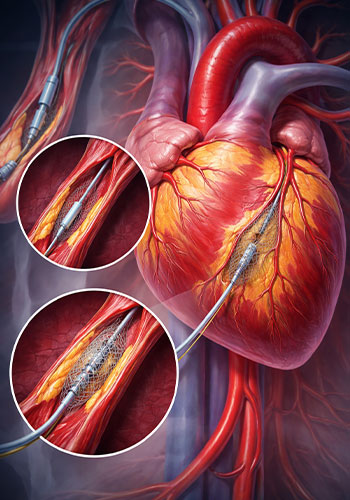
During the procedure, a thin flexible tube called a catheter is gently inserted through an artery, usually in the wrist or groin, and guided toward the heart. A special contrast dye is then injected, which becomes visible on X-ray imaging. This creates clear, real-time images of the coronary arteries, enabling accurate identification of any obstruction affecting blood flow.
Coronary angiography is commonly recommended for patients experiencing symptoms such as persistent chest discomfort, unexplained fatigue, shortness of breath, or abnormal stress test results. It is also used to assess the severity of coronary artery disease and determine the most appropriate treatment plan.
Benefits of Coronary Angiography
- Provides precise visualization of coronary artery blockages.
- Helps evaluate the extent and location of plaque buildup.
- Assists in planning further treatment, including angioplasty or bypass surgery.
- Offers quick and reliable diagnostic insights with minimal recovery time.
What is Coronary Angioplasty?
Coronary angioplasty, also known as Percutaneous Coronary Intervention (PCI), is a therapeutic procedure used to open narrowed or blocked coronary arteries identified during angiography. The goal of angioplasty is to restore adequate blood flow to the heart muscle, relieve symptoms, and prevent serious cardiac events.
In this procedure, the cardiologist inserts a catheter with a small balloon at its tip into the affected artery. Once positioned at the blockage site, the balloon is gently inflated, compressing the plaque against the artery walls and widening the vessel. In many cases, a tiny mesh tube called a stent is placed to keep the artery open and maintain long-term blood flow.
Angioplasty is widely performed for patients with significant coronary artery narrowing, unstable angina, or acute heart attack. It is considered less invasive than open-heart surgery and usually involves a shorter hospital stay and quicker recovery.
Advantages of Coronary Angioplasty
- Improves blood supply to the heart muscle.
- Relieves chest pain and related symptoms.
- Reduces the risk of heart attack.
- Minimally invasive with faster return to normal activities.
Who May Need These Procedures?
Individuals with risk factors such as diabetes, high blood pressure, high cholesterol, smoking habits, obesity, or a family history of heart disease may require coronary angiography for detailed evaluation. Patients already diagnosed with coronary artery disease may undergo angioplasty if significant blockages are found.
People experiencing recurring chest pain during exertion, sudden breathlessness, or abnormal ECG and stress test findings are often advised to undergo these procedures for accurate diagnosis and treatment planning.
Procedure Safety and Recovery
Both coronary angiography and angioplasty are routinely performed by experienced heart specialists using advanced imaging guidance. These procedures are generally safe, and most patients remain awake throughout the process with local anesthesia. After completion, patients are monitored for a short period, and recovery typically involves limited physical activity for a few days.
Following angioplasty, medications such as blood thinners may be prescribed to prevent clot formation within the treated artery. Lifestyle modifications, including a heart-healthy diet, regular exercise, and control of underlying risk factors, are essential for maintaining long-term cardiovascular health.
Importance of Choosing an Experienced Specialist
The success of coronary angiography and angioplasty depends greatly on the expertise of the treating cardiologist and the precision of the procedure. Consulting an experienced heart specialist ensures accurate diagnosis, appropriate treatment decisions, and reduced procedural risks.
Dr. Tangella Venkateswara Rao, recognized as the best cardiologist in Kakinada, has extensive experience in performing advanced cardiac interventions with a patient-focused approach. As a leading interventional cardiologist in Kakinada, he is known for his expertise in diagnosing complex coronary artery conditions and providing effective minimally invasive treatments that help patients achieve improved heart health outcomes.
Long-Term Heart Care After Treatment
While angiography and angioplasty play a vital role in restoring blood flow, maintaining heart health requires ongoing care. Patients are encouraged to follow prescribed medications, attend regular follow-up visits, and adopt healthy lifestyle practices such as quitting smoking, managing stress, and maintaining optimal weight.
Preventive cardiology measures, including periodic health check-ups and monitoring cholesterol and blood pressure levels, help reduce the chances of recurrence. Early detection combined with timely intervention remains the most effective strategy for preventing complications related to coronary artery disease.
Coronary angiography and angioplasty have transformed modern cardiac care by enabling early diagnosis and effective treatment of blocked arteries without the need for major surgery. With the guidance of a skilled specialist like Dr. Tangella Venkateswara Rao, patients can receive accurate evaluation, safe intervention, and comprehensive support for long-term cardiovascular wellness.