
What is Structural Heart Interventions?
Structural heart interventions are specialized, minimally invasive procedures designed to diagnose and treat abnormalities in the heart’s valves, walls, chambers, and associated structures. Unlike traditional open-heart surgery, these advanced techniques are usually performed using catheters inserted through small incisions, typically in the groin or wrist. Structural heart disease can be congenital (present at birth) or acquired later in life due to aging, infection, or degeneration of heart tissues. Early detection and timely treatment are essential to prevent complications such as heart failure, stroke, or reduced quality of life.
Under the expert guidance of experienced specialists like Dr. Tangella Venkateswara Rao, patients can benefit from personalized treatment plans tailored to their specific condition. Individuals seeking the best cardiologist in Kakinada often consider structural heart interventions because they offer effective outcomes with faster recovery and reduced surgical risk.
Understanding Structural Heart Disease
Structural heart disease refers to defects or damage in the heart’s anatomy. These issues may involve the heart valves, atrial or ventricular septum, or other internal structures that regulate blood flow. Common structural heart conditions include valve stenosis (narrowing), valve regurgitation (leakage), atrial septal defects (ASD), ventricular septal defects (VSD), and patent foramen ovale (PFO).
Many patients may remain asymptomatic in the early stages, but as the condition progresses, symptoms such as breathlessness, fatigue, chest discomfort, palpitations, or swelling in the legs can appear. Consulting an experienced interventional cardiologist in Kakinada can help ensure timely evaluation and management before complications develop.
What Are Structural Heart Interventions?
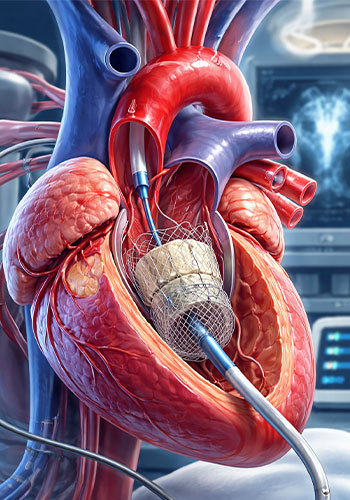
Structural heart interventions are catheter-based procedures performed inside the heart without the need for large surgical incisions. Using advanced imaging guidance, the cardiologist navigates specialized devices through blood vessels to repair or replace damaged structures. These interventions aim to restore normal heart function, improve blood circulation, and reduce symptoms.
Such procedures are commonly recommended for patients who may be at high risk for open surgery due to age, coexisting health conditions, or previous cardiac procedures. With modern techniques, many individuals can return to daily activities more quickly compared to traditional surgical methods.
Common Types of Structural Heart Interventions
- Valve Repair and Replacement: Minimally invasive procedures can treat narrowed or leaking heart valves, particularly the aortic and mitral valves, improving blood flow and reducing strain on the heart.
- Closure of Septal Defects: Devices can be used to close abnormal openings between heart chambers, preventing abnormal blood mixing.
- PFO Closure: This intervention reduces the risk of stroke in selected patients by sealing the small opening between the atria.
- Balloon Valvuloplasty: A balloon catheter is used to widen narrowed valves, enhancing blood circulation.
Patients searching for the best cardiologist in Kakinada often seek specialists experienced in performing these advanced procedures safely and effectively.
Who Needs Structural Heart Interventions?
Not every heart condition requires immediate intervention. A thorough evaluation including echocardiography, cardiac imaging, and clinical assessment helps determine the need for treatment. Structural heart interventions are usually advised for patients experiencing symptoms, evidence of worsening heart function, or increased risk of complications.
Individuals with congenital defects, age-related valve disease, or those who cannot undergo open-heart surgery may benefit the most. Consultation with an interventional cardiologist in Kakinada ensures accurate diagnosis and selection of the most appropriate treatment approach.
Benefits of Minimally Invasive Structural Procedures
Structural heart interventions provide several advantages compared to conventional surgery. Because they are performed through small access points, patients typically experience less pain, minimal blood loss, and shorter hospital stays. Recovery time is often significantly reduced, allowing individuals to resume routine activities sooner.
Additionally, these procedures are associated with lower complication rates in appropriately selected patients. By improving valve function or correcting structural defects, patients often notice enhanced energy levels, improved breathing, and better overall heart performance.
Procedure Overview
Before the intervention, the patient undergoes detailed imaging studies to map the heart’s structure. During the procedure, local anesthesia or mild sedation is commonly used. A catheter is guided through a blood vessel to reach the affected area of the heart. Once positioned, specialized devices such as balloons, occluders, or replacement valves are deployed to correct the abnormality.
After completion, patients are monitored closely for a short period to ensure stable recovery. Follow-up visits help evaluate the success of the intervention and monitor long-term heart health.
Importance of Specialist Care
Choosing a skilled and experienced cardiologist is crucial for achieving optimal outcomes. Structural heart interventions require precise planning, advanced imaging interpretation, and technical expertise. With comprehensive evaluation and individualized care, Dr. Tangella Venkateswara Rao focuses on providing evidence-based treatment options suited to each patient’s condition.
People looking for the best cardiologist in Kakinada often prioritize professionals who combine clinical expertise with a patient-centered approach. Early consultation not only helps identify structural abnormalities but also prevents progression to more severe cardiac complications.
Long-Term Heart Health After Intervention
Successful structural heart treatment is followed by lifestyle modifications and routine cardiac monitoring. Maintaining a heart-healthy diet, engaging in regular physical activity, controlling blood pressure, and adhering to prescribed medications can significantly improve long-term outcomes. Periodic check-ups with an interventional cardiologist in Kakinada help ensure that the repaired or replaced structures continue to function effectively.
Structural heart interventions represent a significant step forward in modern cardiology by offering safe, effective, and minimally invasive solutions for complex heart conditions. With expert evaluation, timely treatment, and ongoing care, patients can experience improved quality of life and better cardiovascular health.