
What is IVC Filter Placement?
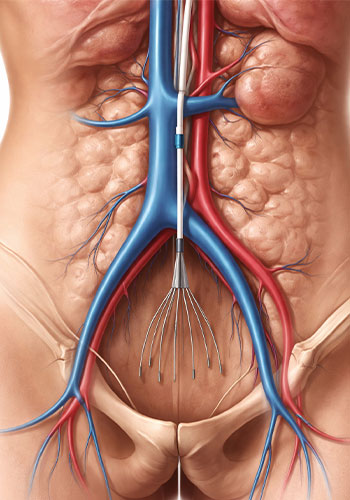
IVC filter placement is a minimally invasive medical procedure designed to prevent life-threatening blood clots from traveling to the lungs. The inferior vena cava (IVC) is the large vein that carries blood from the lower part of the body back to the heart. When clots develop in the deep veins of the legs or pelvis, they can dislodge and move through the bloodstream, causing a pulmonary embolism. An IVC filter acts like a tiny protective device placed inside this major vein to capture clots before they reach the lungs.
Under the expert care of Dr. Tangella Venkateswara Rao, patients can receive advanced evaluation and guidance regarding this procedure. Individuals searching for the best cardiologist in Kakinada or a skilled interventional cardiologist in Kakinada often consider specialists experienced in vascular and cardiac interventions to ensure safe and effective management.
Understanding the Purpose of an IVC Filter
The primary goal of IVC filter placement is to reduce the risk of pulmonary embolism in patients who are more vulnerable to clot-related complications. In many cases, blood-thinning medications are used to treat or prevent clots. However, some patients may not be suitable candidates for anticoagulant therapy due to specific medical conditions or other clinical considerations. In such situations, the placement of an IVC filter provides an additional protective measure.
The filter itself is a small, cage-like device made of medical-grade materials. Once positioned inside the inferior vena cava, it allows normal blood flow while trapping larger clot fragments. This protective mechanism helps reduce the chances of serious complications related to clot migration.
Who May Require IVC Filter Placement?
IVC filter placement is typically recommended for patients diagnosed with deep vein thrombosis (DVT) or those at significant risk of developing clots that could travel to the lungs. It is also considered in individuals who cannot use anticoagulant medications or who require temporary protection during specific medical or surgical situations. Careful evaluation by a qualified specialist ensures that the procedure is advised only when clinically appropriate.
Consulting an experienced professional such as Dr. Tangella Venkateswara Rao—recognized by many as the best cardiologist in Kakinada—helps patients understand whether an IVC filter is necessary as part of their treatment plan. Expertise in interventional procedures plays a key role in achieving accurate placement and optimal outcomes.
How the IVC Filter Placement Procedure is Performed
IVC filter placement is performed in a specialized clinical setting using image guidance technology. The procedure typically begins with local anesthesia to ensure patient comfort. A small incision is made, usually in the neck or groin area, allowing the physician to access a vein.
A thin, flexible tube called a catheter is carefully guided through the vein toward the inferior vena cava. Using real-time imaging, the physician positions the filter at the correct location. Once released, the device expands and attaches securely to the vein walls. After confirming its placement, the catheter is removed, and the access site is dressed.
Because this is a minimally invasive technique, it is generally completed within a short duration, and most patients can resume routine activities after appropriate observation. Guidance from an experienced interventional cardiologist in Kakinada ensures precision during each step of the process.
Types of IVC Filters
There are two main categories of IVC filters commonly used in clinical practice: permanent filters and retrievable filters. Permanent filters are designed to remain in place for long-term protection against clot migration. Retrievable filters, on the other hand, may be removed once the patient’s risk of clot-related complications has decreased.
The choice between these options depends on the patient’s medical condition, overall health status, and treatment goals. Evaluation by a qualified specialist helps determine the most suitable type of filter for each individual case.
Benefits of Early Evaluation and Timely Intervention
Early detection and management of clot-related disorders significantly improve patient outcomes. Timely IVC filter placement, when indicated, offers an added layer of protection against potentially severe complications. Individuals experiencing symptoms such as leg swelling, pain, or a history of clot formation should seek prompt medical consultation.
Choosing the best cardiologist in Kakinada for assessment allows patients to receive accurate diagnosis and evidence-based recommendations. Expertise in cardiovascular and vascular care ensures that each patient receives individualized treatment planning tailored to their needs.
Role of an Interventional Cardiologist
An interventional cardiologist specializes in performing minimally invasive procedures that diagnose and treat conditions affecting the heart and blood vessels. Their training includes advanced imaging techniques, catheter-based interventions, and vascular access skills essential for procedures such as IVC filter placement.
Working with an experienced interventional cardiologist in Kakinada, such as Dr. Tangella Venkateswara Rao, provides patients with confidence that their procedure will be performed using precise techniques and established clinical protocols. Comprehensive evaluation, procedural expertise, and follow-up guidance are key components of successful care.
Post-Procedure Care and Monitoring
After IVC filter placement, patients are typically monitored for a short period to ensure stable recovery. Physicians may recommend lifestyle adjustments, ongoing medical therapy, or periodic imaging studies to assess the position and function of the filter. Regular follow-up appointments help ensure that the device continues to provide effective protection.
Clear communication between the patient and healthcare provider is essential for long-term management. Individuals are encouraged to report any unusual symptoms and adhere to medical advice regarding mobility, hydration, and prescribed medications.
IVC filter placement is an important interventional procedure designed to prevent dangerous blood clots from reaching the lungs. By acting as a protective barrier within the inferior vena cava, the device helps reduce the risk of serious complications in selected patients. With expert guidance from specialists like Dr. Tangella Venkateswara Rao—often regarded among the best cardiologist in Kakinada and a trusted interventional cardiologist in Kakinada—patients can receive comprehensive evaluation, precise treatment, and continued support for their cardiovascular health.