
What is Pacemaker & ICD Implantation?
Heart rhythm disorders can affect how efficiently the heart pumps blood throughout the body. Modern cardiology offers advanced solutions such as pacemaker and Implantable Cardioverter Defibrillator (ICD) implantation to restore and maintain a stable heartbeat. Under the expertise of Dr. Tangella Venkateswara Rao, patients can receive comprehensive evaluation and appropriate device therapy designed to improve heart function, reduce complications, and enhance quality of life.
Understanding the Heart’s Electrical System
The heart works through a natural electrical system that controls the rate and rhythm of each heartbeat. When this system functions normally, the heart beats in a coordinated and steady manner. However, certain conditions can disrupt these electrical signals, leading to irregular heart rhythms known as arrhythmias. These disturbances may cause symptoms such as dizziness, fatigue, palpitations, shortness of breath, or even sudden cardiac arrest in severe cases.
When medications or lifestyle changes alone are not sufficient to manage arrhythmias, device-based treatments like pacemakers and ICDs become essential. These implantable devices help regulate abnormal heart rhythms and protect patients from life-threatening cardiac events.
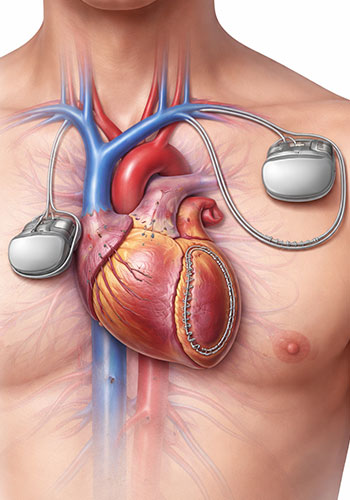
What is a Pacemaker?
A pacemaker is a small electronic device that is implanted under the skin, typically near the chest area. Its primary function is to regulate slow or irregular heartbeats by sending gentle electrical impulses to the heart muscle. These impulses help maintain a consistent heart rhythm and ensure that the heart pumps blood effectively.
Pacemakers are commonly recommended for individuals with conditions such as bradycardia (abnormally slow heart rate), heart block, or certain types of arrhythmias that interfere with normal heart function. Once implanted, the pacemaker continuously monitors the heart’s electrical activity and automatically delivers signals whenever it detects a rhythm that is too slow or irregular.
Types of Pacemakers
- Single-Chamber Pacemaker: Sends electrical signals to one chamber of the heart, usually the right ventricle.
- Dual-Chamber Pacemaker: Coordinates electrical activity between the right atrium and right ventricle for more natural heart rhythm control.
- Biventricular Pacemaker: Also known as cardiac resynchronization therapy (CRT), used in patients with heart failure to improve pumping efficiency.
What is an Implantable Cardioverter Defibrillator (ICD)?
An Implantable Cardioverter Defibrillator (ICD) is another advanced cardiac device designed to monitor heart rhythms continuously. Unlike a pacemaker that primarily treats slow heartbeats, an ICD is capable of detecting dangerously fast or chaotic heart rhythms such as ventricular tachycardia or ventricular fibrillation.
If the ICD detects a life-threatening arrhythmia, it delivers a controlled electrical shock to restore a normal heartbeat. This immediate intervention significantly reduces the risk of sudden cardiac arrest and improves survival in high-risk patients.
ICDs also function as pacemakers when necessary, providing pacing support if the heart rate becomes too slow. This dual capability makes them a critical therapy for patients with severe rhythm disorders or a history of cardiac arrest.
Who Needs Pacemaker or ICD Implantation?
Pacemaker or ICD implantation is typically recommended after a thorough cardiac evaluation. Patients who may benefit include those experiencing persistent symptoms related to arrhythmias, individuals with heart muscle disease, or those with a previous episode of life-threatening rhythm disturbance. An experienced interventional cardiologist in Kakinada carefully assesses medical history, diagnostic reports, and overall heart function before suggesting device therapy.
People with fainting episodes due to slow heart rate, heart block, or advanced heart failure may require pacemaker implantation. Meanwhile, patients with a high risk of sudden cardiac arrest, severe ventricular arrhythmias, or significantly weakened heart muscles are often advised to consider ICD placement.
The Pacemaker & ICD Implantation Procedure
Pacemaker and ICD implantation are minimally invasive procedures typically performed in a specialized cardiac catheterization laboratory. During the procedure, the device is placed beneath the skin through a small incision. Leads (thin insulated wires) are guided through blood vessels into the heart chambers using imaging guidance.
Once positioned correctly, the leads are connected to the device, which is then programmed to match the patient’s heart rhythm requirements. The procedure usually takes a few hours, and most patients can resume routine activities within a short recovery period under medical supervision.
Benefits of Pacemaker and ICD Therapy
- Restores and maintains a stable heart rhythm
- Reduces symptoms such as dizziness, fatigue, and palpitations
- Improves exercise tolerance and daily functioning
- Lowers the risk of sudden cardiac arrest in high-risk individuals
- Enhances long-term heart health and quality of life
With timely diagnosis and proper device selection by the best cardiologist in Kakinada, patients can experience significant improvement in overall cardiovascular stability.
Life After Implantation
After pacemaker or ICD implantation, patients are advised to attend regular follow-up visits to ensure the device is functioning correctly. Periodic monitoring allows adjustments to device settings and helps track battery performance. Most individuals can return to their normal lifestyle with minor precautions, including avoiding strong electromagnetic fields and following medical guidance regarding physical activity.
Advancements in device technology have made modern pacemakers and ICDs highly reliable, with long battery life and improved patient comfort. Many devices also offer remote monitoring features that help physicians track heart rhythm data without frequent hospital visits.
Why Expert Cardiac Care Matters
Choosing the right specialist plays a crucial role in the success of pacemaker and ICD implantation. Dr. Tangella Venkateswara Rao, recognized as a best cardiologist in Kakinada and an experienced interventional cardiologist in Kakinada, focuses on individualized patient evaluation and evidence-based treatment planning. A personalized approach ensures that each patient receives the most suitable device and long-term care strategy for optimal heart health.
Pacemaker and ICD implantation are life-saving interventions designed to manage abnormal heart rhythms effectively. By regulating slow heartbeats or correcting dangerous arrhythmias, these devices protect patients from serious complications and support a healthier, more active life. Early diagnosis, expert assessment, and appropriate device therapy can significantly improve outcomes for individuals living with heart rhythm disorders.