
What is Mechanical Thrombectomy for DVT & Pulmonary Embolism?
Mechanical thrombectomy is an advanced, minimally invasive procedure used to remove blood clots from veins or arteries. It is increasingly becoming an important treatment option for patients diagnosed with Deep Vein Thrombosis (DVT) and Pulmonary Embolism (PE). Under the expertise of Dr. Tangella Venkateswara Rao, this procedure is performed using specialized catheter-based techniques that help restore normal blood flow quickly and effectively.
Patients searching for the best cardiologist in Kakinada or a highly skilled interventional cardiologist in Kakinada often explore mechanical thrombectomy as a life-saving intervention, especially when medications alone are insufficient or when rapid clot removal is necessary.
Understanding DVT and Pulmonary Embolism
Deep Vein Thrombosis (DVT) occurs when a blood clot forms in the deep veins, usually in the legs. If left untreated, the clot can break free and travel to the lungs, causing a Pulmonary Embolism (PE), which can be a serious and potentially life-threatening condition. Early diagnosis and timely treatment are essential to prevent complications and preserve vascular health.
Symptoms of DVT may include leg pain, swelling, warmth, or redness, while pulmonary embolism can present with sudden breathlessness, chest discomfort, or rapid heart rate. These conditions require immediate medical evaluation by a qualified specialist such as an experienced interventional cardiologist in Kakinada.
What is Mechanical Thrombectomy?
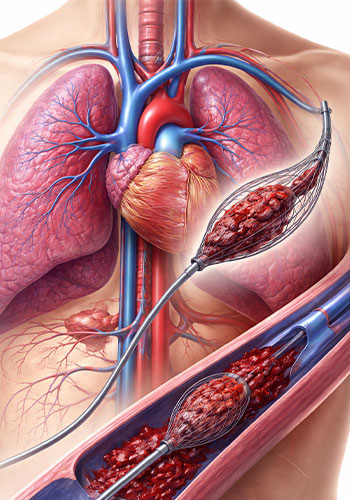
Mechanical thrombectomy is a catheter-based procedure designed to physically remove or break down the clot from the affected blood vessel. Unlike traditional treatment methods that rely only on blood-thinning medications, this approach directly targets the blockage and restores circulation more rapidly.
During the procedure, a thin tube called a catheter is inserted into the blood vessel and guided carefully to the site of the clot using imaging technology. Specialized devices attached to the catheter help capture, suction, or fragment the clot, allowing it to be safely removed from the body.
This technique is particularly beneficial for patients with extensive clot burden, severe symptoms, or those who require immediate relief from vascular obstruction.
How Mechanical Thrombectomy Helps in DVT
In cases of Deep Vein Thrombosis, mechanical thrombectomy helps clear the blocked vein and restore normal blood flow to the affected limb. By removing the clot, the procedure can reduce swelling, discomfort, and pressure within the vein. It also supports better long-term vein function and helps prevent progression of the condition.
Patients treated by the best cardiologist in Kakinada often benefit from a comprehensive evaluation that determines whether mechanical thrombectomy is the most appropriate intervention. The goal is to improve circulation while preserving the integrity of the affected blood vessels.
Role of Mechanical Thrombectomy in Pulmonary Embolism
When a clot travels to the lungs and blocks the pulmonary arteries, it restricts oxygen exchange and places strain on the heart. Mechanical thrombectomy in pulmonary embolism is aimed at quickly removing the obstruction and restoring adequate blood flow to the lungs.
By directly targeting the clot, this procedure can help stabilize patients who experience severe symptoms. Under the guidance of an experienced interventional cardiologist in Kakinada, mechanical thrombectomy is performed with precision to improve lung circulation and support overall cardiovascular function.
Who May Benefit from This Procedure?
Mechanical thrombectomy is considered for patients who have significant clot formation, persistent symptoms despite medication, or when rapid clot removal is clinically indicated. Individuals with extensive DVT or moderate to severe pulmonary embolism may be evaluated for this approach after thorough diagnostic assessment.
Expert consultation with Dr. Tangella Venkateswara Rao ensures that each patient receives individualized care based on their medical history, imaging findings, and overall cardiovascular status.
Procedure Overview
The process typically begins with imaging studies to identify the exact location and size of the clot. The patient is positioned comfortably, and the insertion site is prepared under sterile conditions. A catheter is then introduced through a small entry point, usually in the leg or arm, and navigated to the affected vessel.
Once the catheter reaches the clot, specialized thrombectomy devices are activated to remove or break up the obstruction. Continuous imaging guidance allows the physician to monitor progress and confirm restoration of blood flow. After the clot is cleared, the catheter is carefully withdrawn, and the access site is managed to ensure proper healing.
Advantages of Mechanical Thrombectomy
Mechanical thrombectomy offers several clinical benefits in the management of DVT and pulmonary embolism. It allows targeted clot removal, faster restoration of circulation, and improved symptom relief. Because the technique is minimally invasive, it supports quicker recovery compared with traditional open surgical methods.
Patients seeking advanced vascular care from the best cardiologist in Kakinada often prefer this modern interventional approach due to its effectiveness in managing complex clot-related conditions.
Importance of Early Intervention
Timely diagnosis and appropriate treatment play a crucial role in preventing complications associated with DVT and pulmonary embolism. Recognizing warning signs and seeking prompt medical evaluation from a qualified interventional cardiologist in Kakinada can significantly improve outcomes.
Mechanical thrombectomy represents a valuable therapeutic option that complements medical management strategies. Under the guidance of Dr. Tangella Venkateswara Rao, patients receive comprehensive cardiovascular care focused on restoring blood flow, improving symptoms, and enhancing overall vascular health.
Understanding the role of mechanical thrombectomy empowers patients and caregivers to make informed decisions regarding advanced treatment options for clot-related disorders. With expert evaluation and timely intervention, individuals affected by DVT or pulmonary embolism can achieve improved circulation and better long-term cardiovascular well-being.